
I’ve been waiting for a sunny day to take a picture with my new book, girlhoof. It’s taken a while! But while the sun hasn’t been out much in this corner of the UK, girlhoof very much is. You can order your copy now from Salò Press.
Every book has a story behind it, but girlhoof‘s was by no means straightforward. I published the first of these poems in a magazine eight years ago, when I was in my mid twenties. A lot has happened since then, and it still feels amazing that I got it over the line at last, with the help of Sophie and Andrew at Salò of course.
It all started when I broke my elbow, and suddenly I couldn’t ignore my body. Every movement of my right arm was painful. I could only type slowly, and had to write with my left hand for a few weeks. My body had inserted itself into my writing, whether I wanted it to or not. At that time in my life I was immersing myself in books by queer and women authors, many of whom explored issues of the body in their writing. I thought that I could do the same, perhaps. It seemed worth exploring.
The central sequence of girlhoof was born from that impulse, and accrued over the next few years whenever I felt I had an urgent subject. The poems took different forms depending on the body part in question. ‘ankle’, for example, uses terse, short phrases that I tried to connect together into a knotty, knobbly structure. In ‘skull’ I sought to emulate the strange unspoolings and sudden breaks in the narrative of my thoughts after a serious concussion. Though thematically linked, I found I could be adventurous in my choice of technique across the sequence.
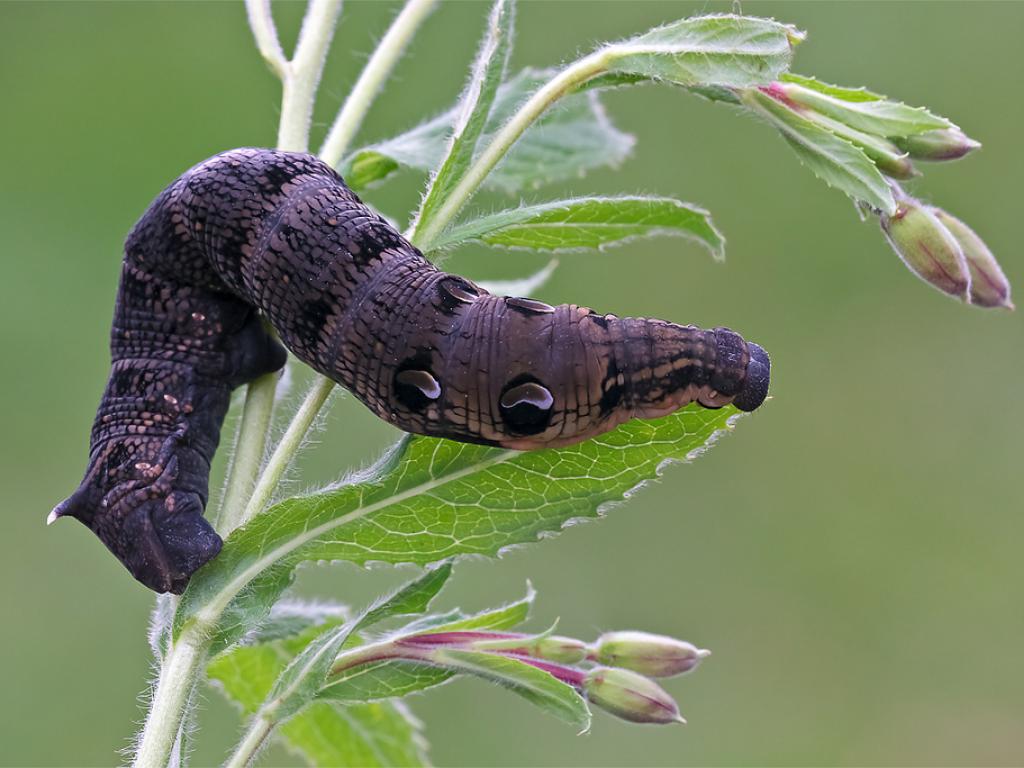
Other unrelated poems started to gel with the central sequence. I found myself voicing female robots, addressing hawkmoth caterpillars, attempting a communitarian ghost poem. Some were published in magazines, others were rejected. It took years for the final line-up to settle. I sent early versions of the girlhoof manuscript to publishers a couple of times, and it was ignored, longlisted and shortlisted, but always sent back eventually. The editors told me each time what I already knew: it wasn’t ready yet.
Much has been said about rejection, how necessary and inevitable it is for writers, and I don’t have much to add to that here. Suffice to say that after a couple of submissions, I thought girlhoof might be unpublishable. I had sent it to presses I didn’t have any existing connection to, being worried to send to friends and editors I knew, in case I shouldn’t be writing poems like these, poems of the body. Some days I thought it might be too strange, others too hackneyed. Or perhaps it was too arch, but also too serious. Surely it was too experimental, I said to myself often, but on bad days it also seemed too obvious. Whatever was wrong with it, I didn’t seem to be able to make it right. I put the manuscript in a holding folder on my computer for several years, and forgot about it.

Cover image by Jazzberry Blue.
At the end of 2023 I saw that Harry Josephine Giles would be guest editing the issue eight of Propel magazine, and, as a longtime admirer of her work, I decided to send in some poems. To my surprise and delight, Josie selected ‘poltergeist’, the poem I had always intended to include at the end of girlhoof, but which had always been rejected by magazines in the past. This vote of confidence in the final poem sent me back to the manuscript. I made some tweaks. I added some poems, removed a couple of fillers. It seemed ready, at last. Time to try again.
This time, I didn’t hide my writing away from my network. I decided that it’s important to write of and from the body, and my book would be a small addition to a wider and necessary conversation. I sent the manuscript to a couple of friends for feedback. I also sent it straight to Sophie and Andrew, knowing it was a great fit for Salò, specialising as they do in experimental and surrealist works. Luckily, they felt the same about girlhoof, and now it’s out there, finding readers, continuing its journey.
I suppose the moral of this story can be boiled down to the truism I used to say whenever a fellow writer expressed their exhasperation to me in the writing community I used to run: writing is one of those things that takes as long as it takes. Irritating when someone else says it to you, sure, but also true. The book will be ready when it’s ready. Waiting for a sunny interval to take the photograph was just one more small delay in the life of girlhoof. I am so very pleased it’s here, and that I can now share it with you.
 Flo Reynolds